
In 2026, AI video generation has gone from experimental to essential. While Kling AI is leading the conversation, it’s far from the only powerful tool available. Creators, marketers, and filmmakers will find these top 10 alternatives to Kling AI offer unique features, capabilities, and advantages. Let’s take a closer look.
Top 10 Kling AI Alternatives for 2026
10. AI HunyuanVideo by Tencent
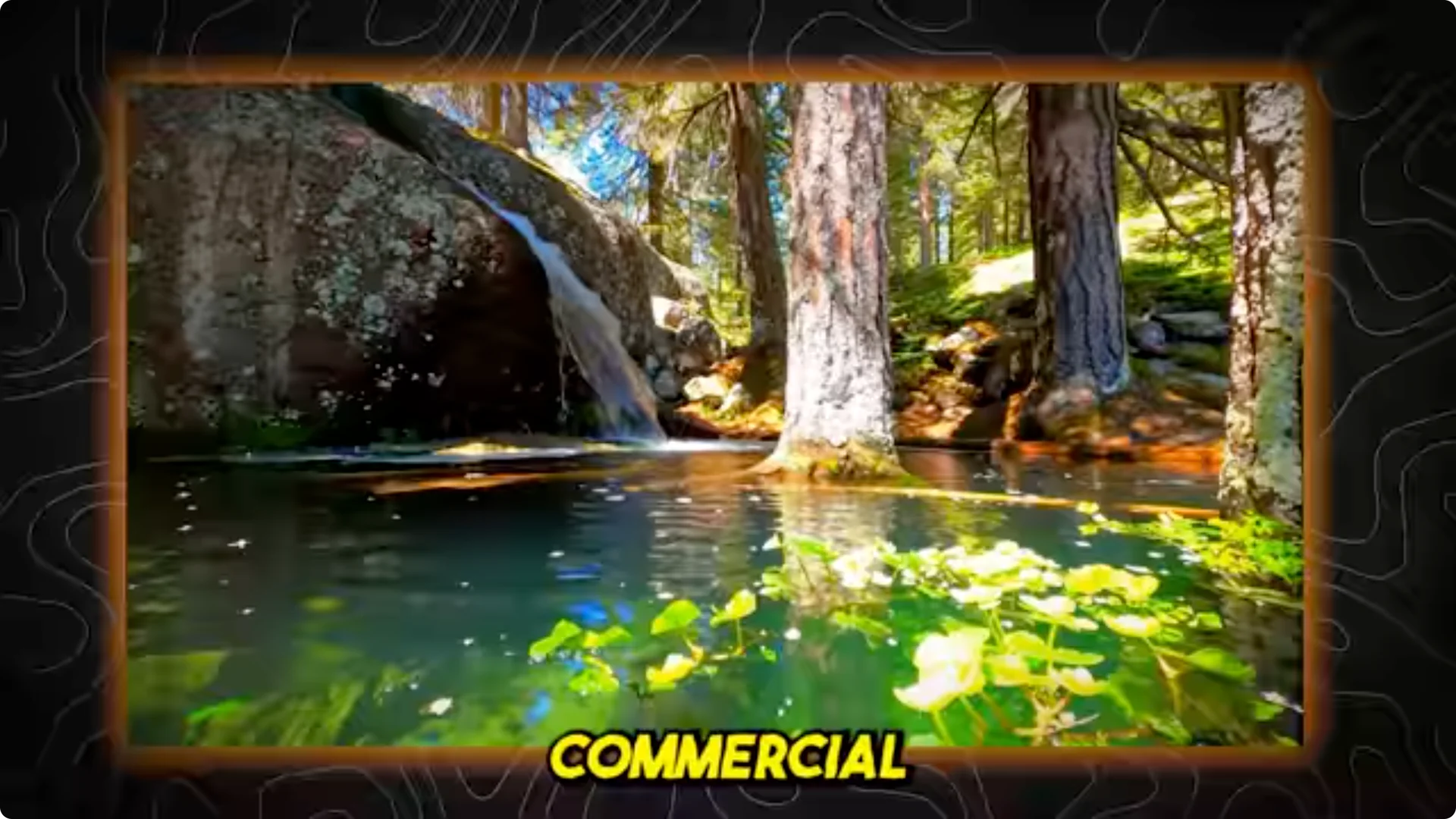
Developed by Tencent. A hunyuan video focuses on long-form realism and professional-grade visuals. It’s capable of generating physically accurate scenes with coherent motion, making it ideal for business videos, commercial storytelling, and AI-assisted film projects. However, it’s currently accessible mainly within China and still in the early release phase.
9. Filmora AI
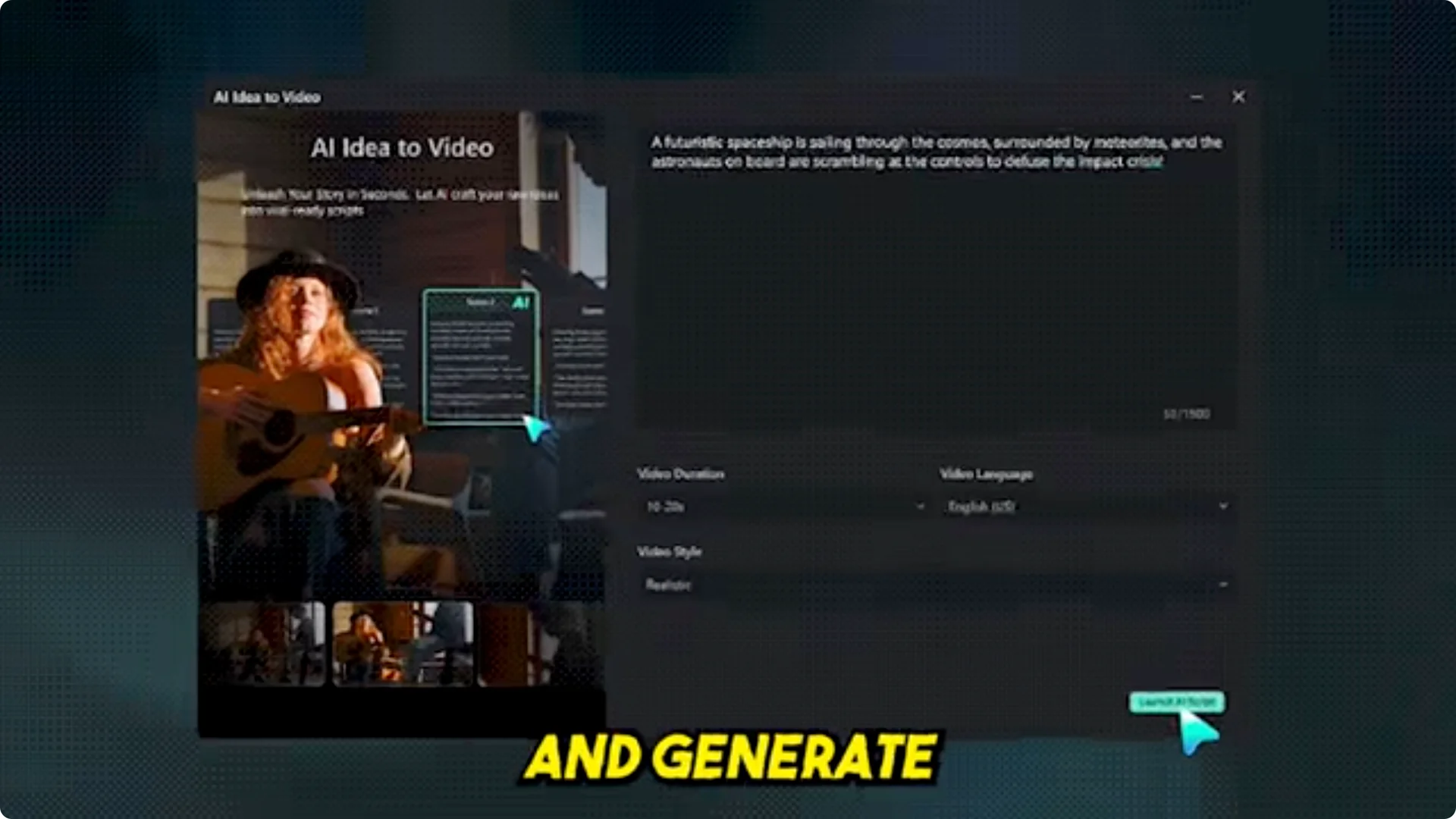
Filmora AI is a beginner-friendly video editor with built-in AI features. It can turn scripts into short form content, automatically edit footage, and generate B-roll based on scene analysis. It’s a perfect choice for vloggers, YouTubers, and anyone needing fast automated editing without sacrificing creativity.
8. Leonardo.ai video beta
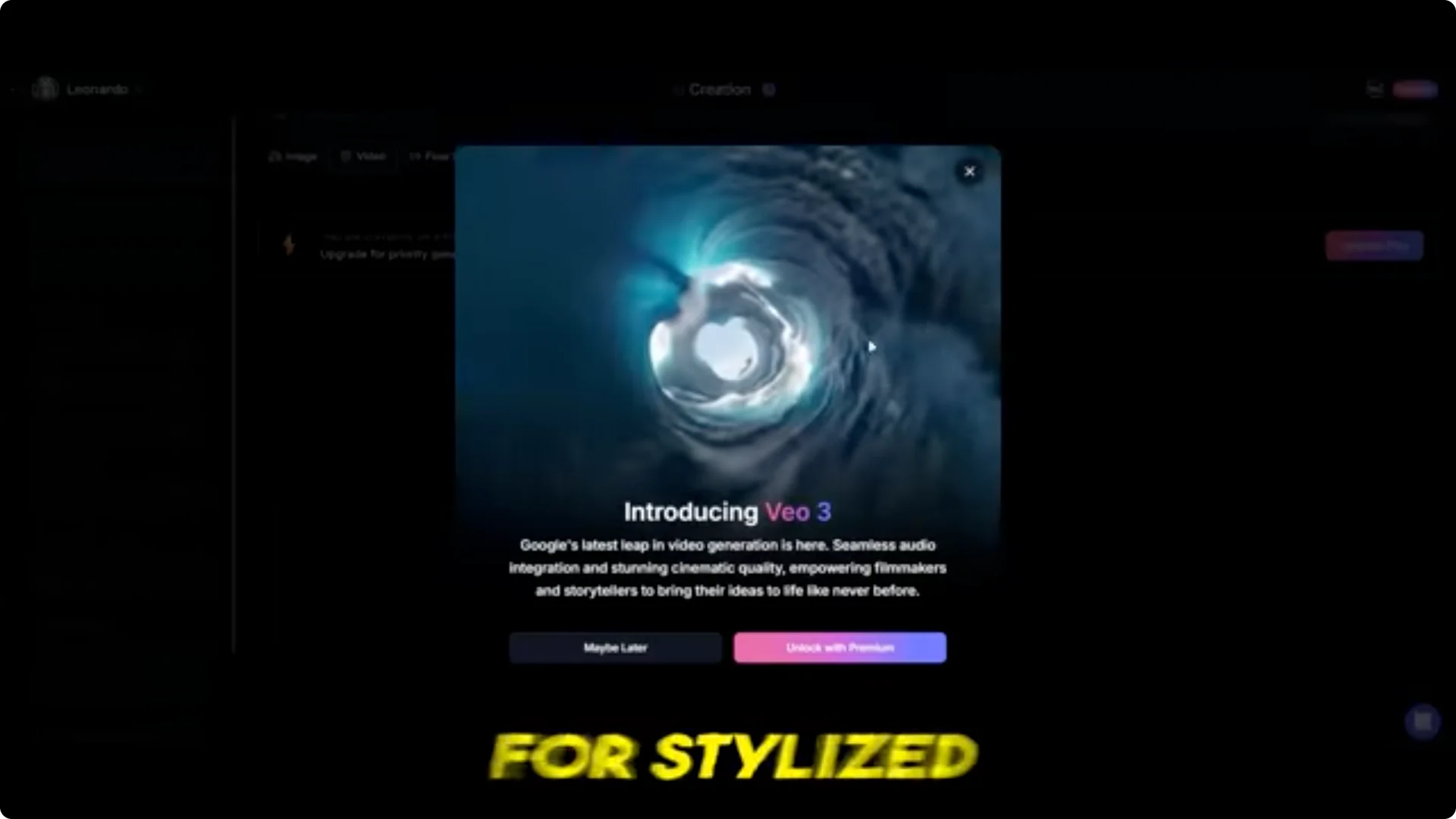
Leonardo.ai is widely known for its image generation capabilities, but its new video features add dynamic animation to static visuals. It’s ideal for stylized content such as game trailers, product visuals, and creative concept design. The video features are still in beta, but show significant promise for visual storytelling.
7. Sora by OpenAI
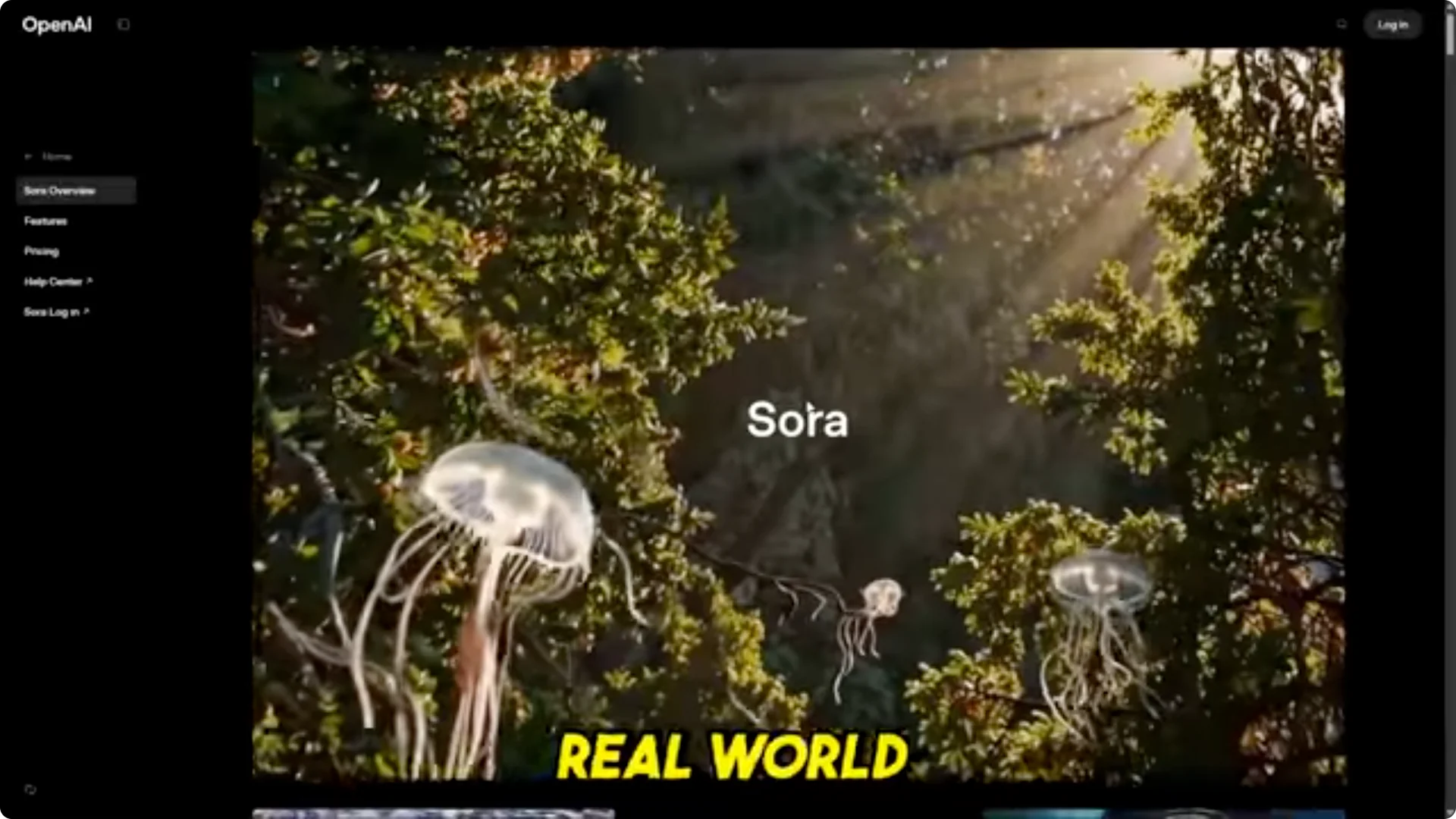
Sora is OpenAI’s video generation model capable of producing highly realistic coherent video clips from text prompts. It excels in natural motion, lighting, and physical consistency. Sora supports cinematic shots, real-world camera dynamics, and extended scenes. However, it remains under limited access for now.
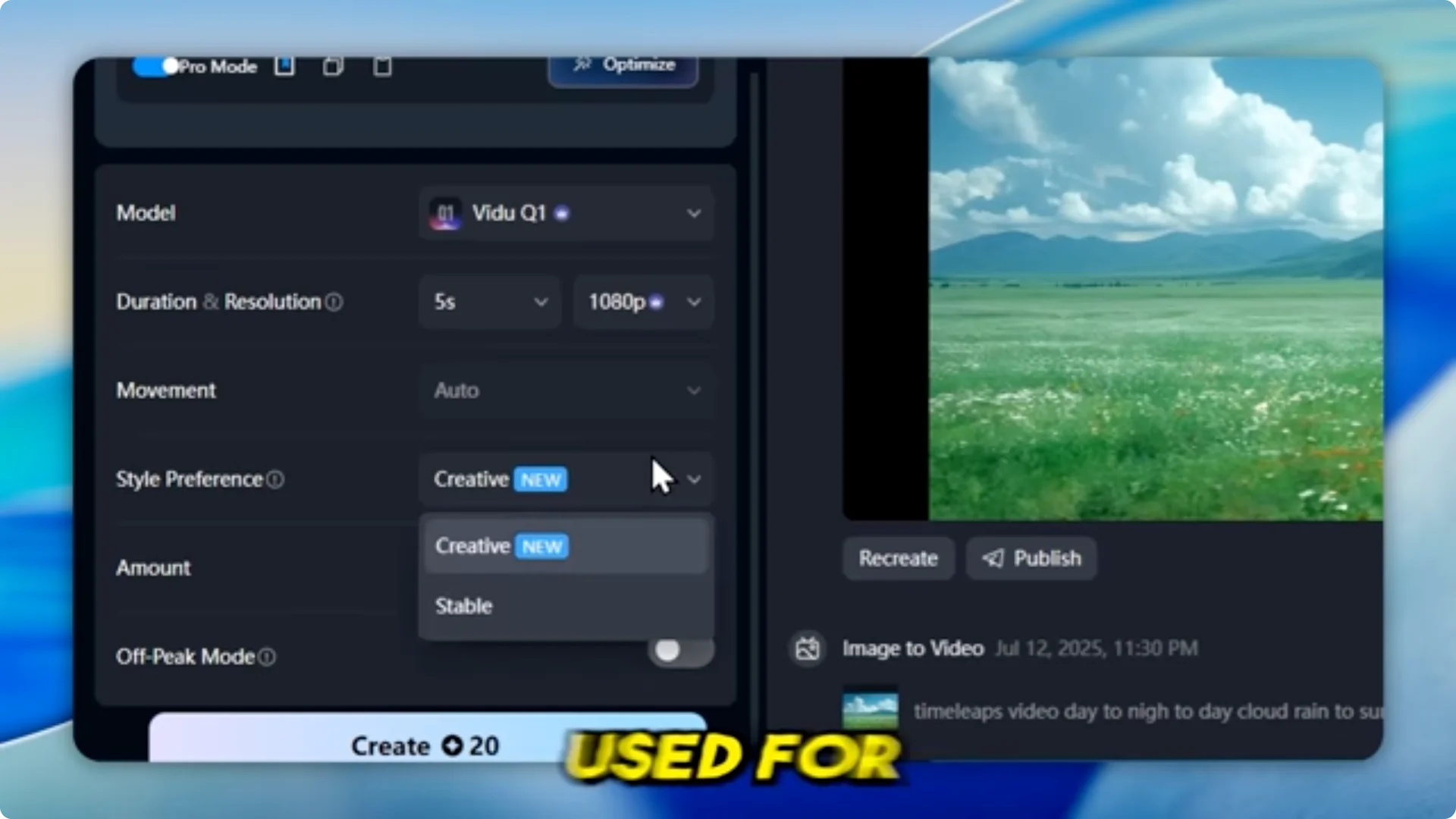
6. Vidu AI
Vidu AI is China’s emerging alternative to Sora, generating 1080p videos in seconds. It supports face animation, voice sync, and realistic camera movements. Vidu is increasingly used for e-commerce, short dramas, and ad content with fast generation times and growing features. It’s gaining traction across Asia.
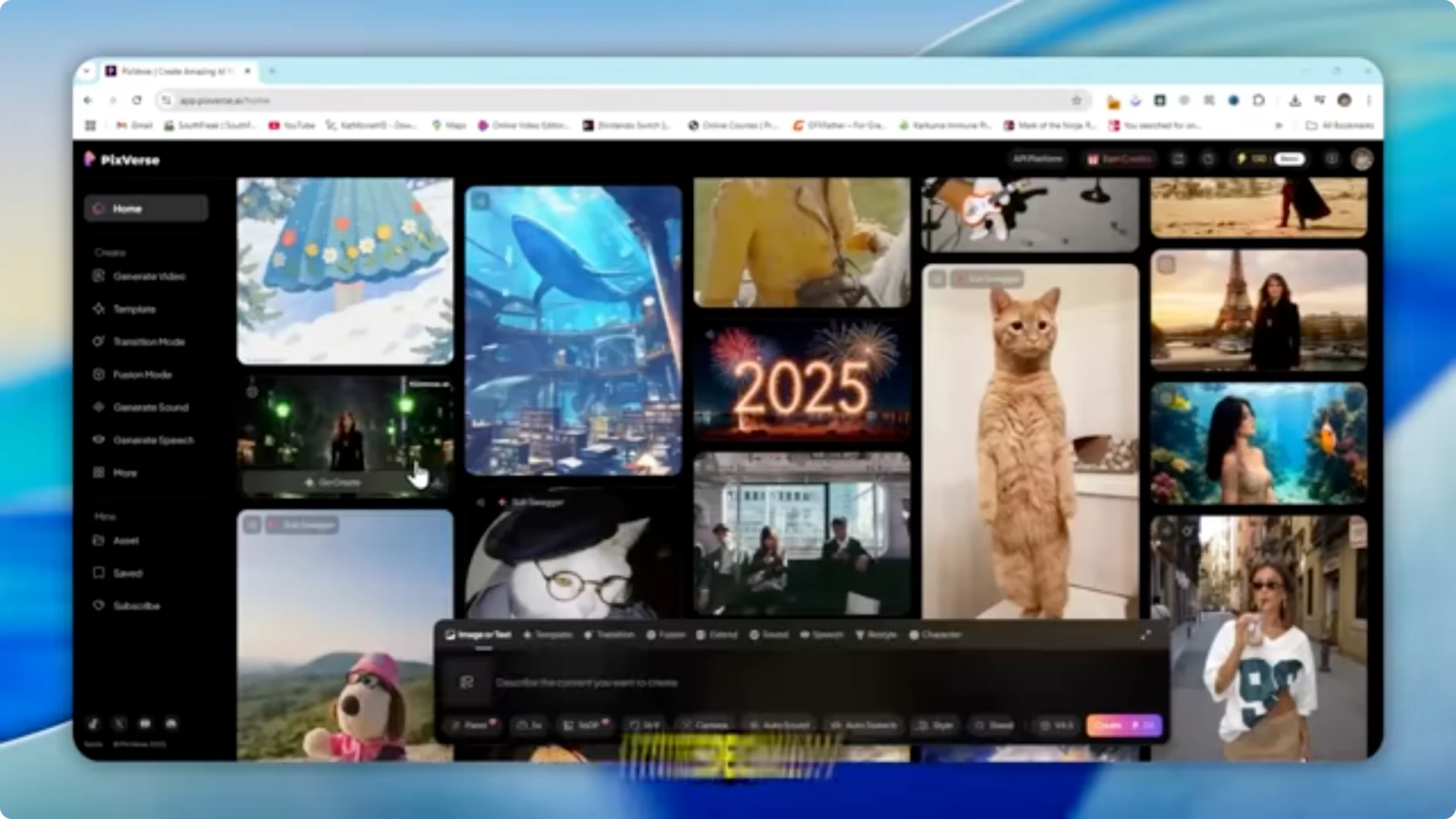
5. Pixverse
Pixverse is designed for creators who want cinematic quality without complex tools. It supports text-to-video generation with reference image input, motion design, and camera path control. It’s especially effective for music videos, brand intros, and aesthetic short form storytelling.
4. Hailuo.ai
Hailuo.ai specializes in stylized animation, including anime and surreal visual effects. It offers layer-based editing, expressive character motion, and stylistic scene design. Artists and animators are using it to bring illustrations and graphic novels to life through motion graphics and voice integration.
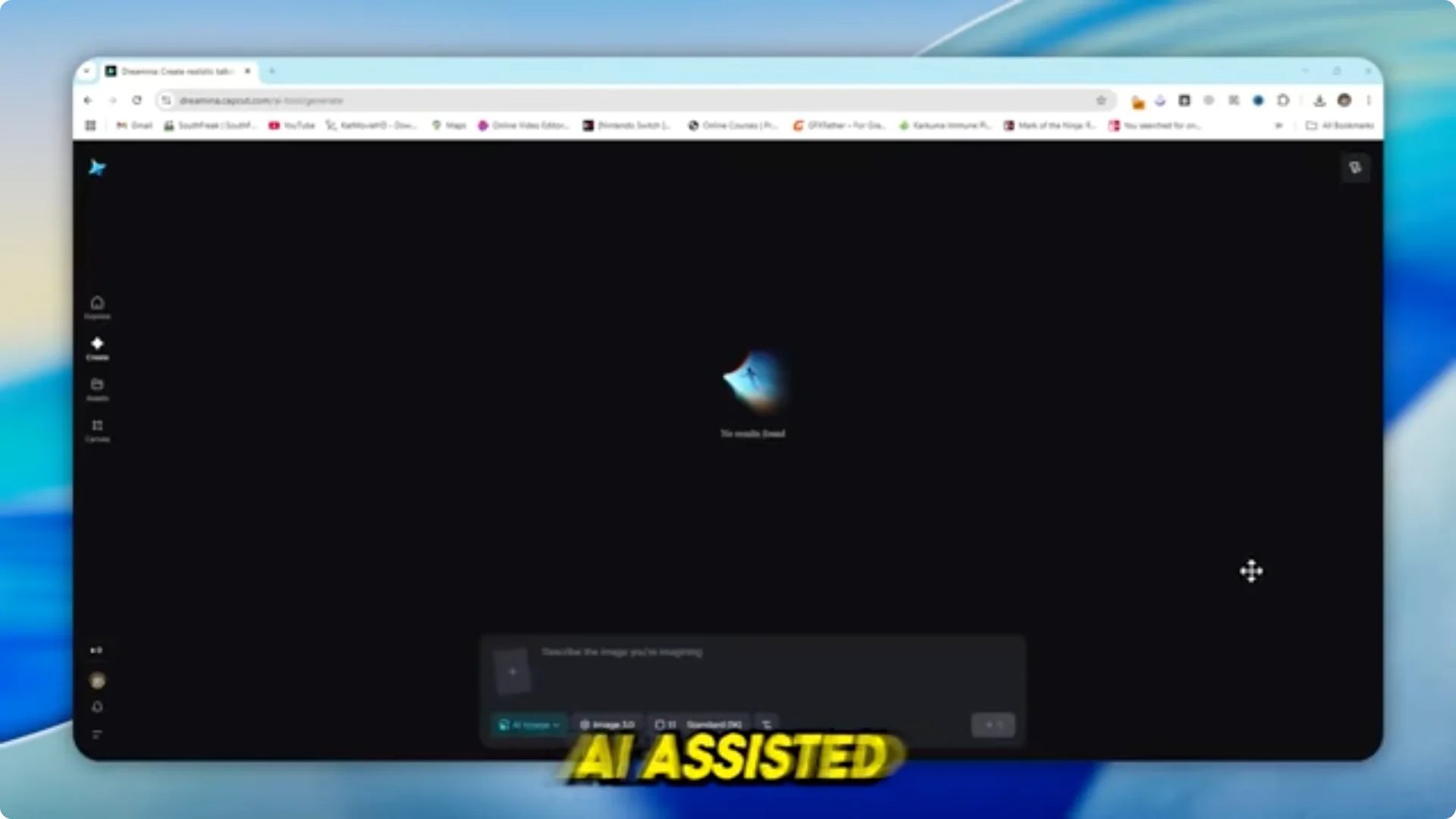
3. Dreamina
Dreamina is a complete creative suite that integrates text, image, and video generation into a single workflow. It supports complex multi-scene storytelling with AI-assisted transitions, camera movements, and voice syncing. Dreamina is ideal for creators looking to produce cinematic sequences or long-form animations.
2. Google Veo 3
Veo 3 by Google is one of the most advanced models in the field. It creates ultra realistic video with consistent lighting, camera movement, and emotional depth. It supports longer durations and multi-shot control, making it suitable for commercial, educational, and cinematic applications. Access is limited, but its capabilities are unmatched.
1. Kling AI still holds the lead
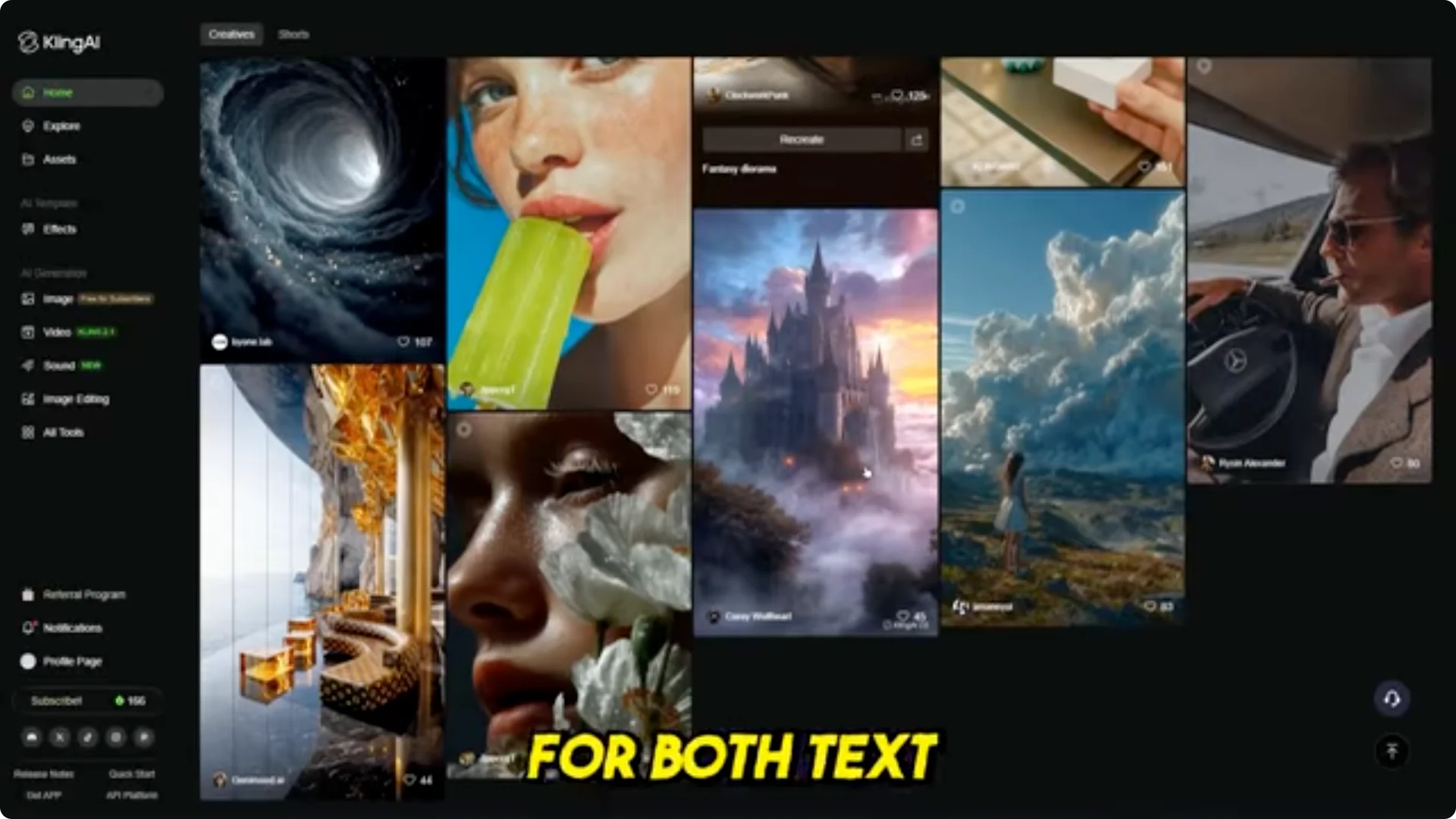
Kling AI remains one of the most balanced and accessible tools in the AI video space. With fast rendering, multi-element editing, and support for both text-to-video and image-to-video workflows, it sets a high standard. However, the tools here all bring unique strengths that may fit your workflow even better.
Final Thoughts on Kling AI Alternatives
AI video generation is now a core creative capability. Kling AI leads for balance and accessibility, but strong alternatives serve different needs, from stylized animation and short form editing to long-form realism and high-end cinematic control. Access, feature maturity, and use case fit vary, so choose based on your production goals and workflow.